Which is Better the Kyoto Aquarium or the Osaka Aquarium?
Osaka Aquarium Kaiyukan is the better choice for most visitors, while the Kyoto Aquarium is the better small stop if you are already in Kyoto. This guide answers which is better, the Kyoto Aquarium or the Osaka Aquarium, with a side-by-side table of prices, animals, shows and access, and it also settles which is the better aquarium in Osaka, Kaiyukan or Nifrel.
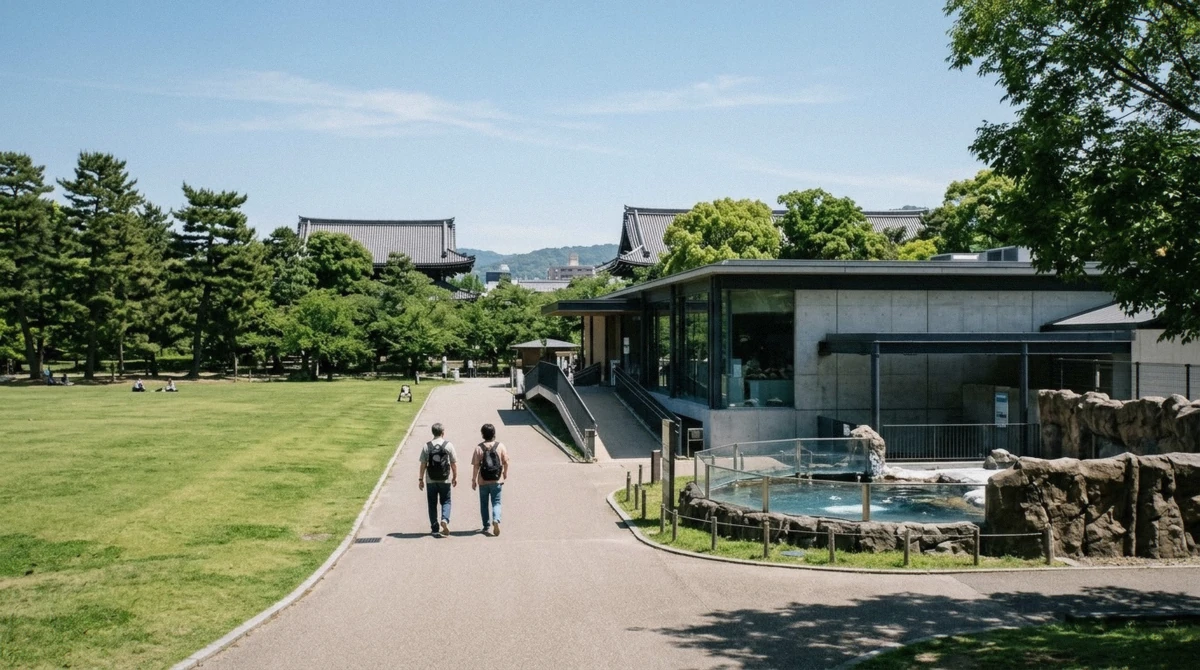
Quick answer
Osaka Aquarium is the better aquarium for most visitors because its 5,400-ton Pacific Ocean tank and two whale sharks have no match in Kyoto. The Kyoto Aquarium wins on price, calm and a few animals Osaka lacks, such as the giant salamander and a dolphin show, and it costs ¥2,600 flat.
Key takeaways
- Osaka costs ¥2,700 to ¥3,500 by date, Kyoto is a flat ¥2,600 for an adult, so Kyoto is never the more expensive of the two
- Osaka is the one to pick if the whale sharks are the point. Kyoto has no animal that big and its largest tank, the Sea of Kyoto, holds about 50 species
- Kyoto is the one to pick if you are staying in Kyoto anyway: it sits about 15 minutes on foot from Kyoto Station and is rarely crowded
- Only Kyoto runs dolphin shows (about 11:30, 13:30 and 15:30). Osaka has no animal shows at all
- A fixed date on a busy weekend favours Osaka with a skip-the-queue ticket, because the gate queue is the one real cost there
Osaka Aquarium Tickets and Guided Days
If Osaka wins for you, these two options sort out entry or the whole day. The first buys a reserved entry slot with a feeding-times guide, the second wraps the aquarium into a private day with a local guide.
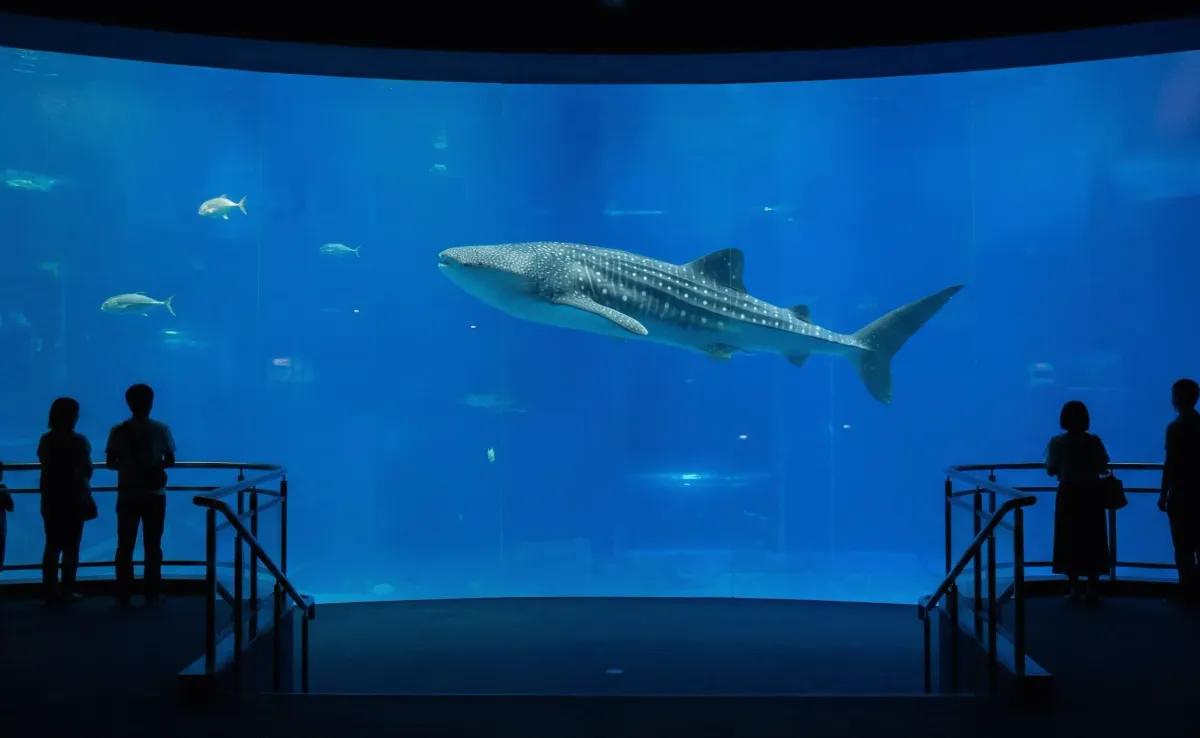 from $35
Skip the Queue: Osaka Aquarium Entry Ticket + Digital Feeding-Time Guide
Pre-booked entry to Osaka Aquarium with QR-code scan directly at the entrance — no ticket-counter queues. Includes a complimentary digital Ocean Life guide sent after booking so you…
- Skip the ticket-counter queues — scan QR code straight at the entrance
- See the whale sharks in the massive 9-metre-deep Pacific Ocean tank
- Free digital guide: animal feeding schedule + best viewing spots
- Free cancellation up to 24 hours before your visit
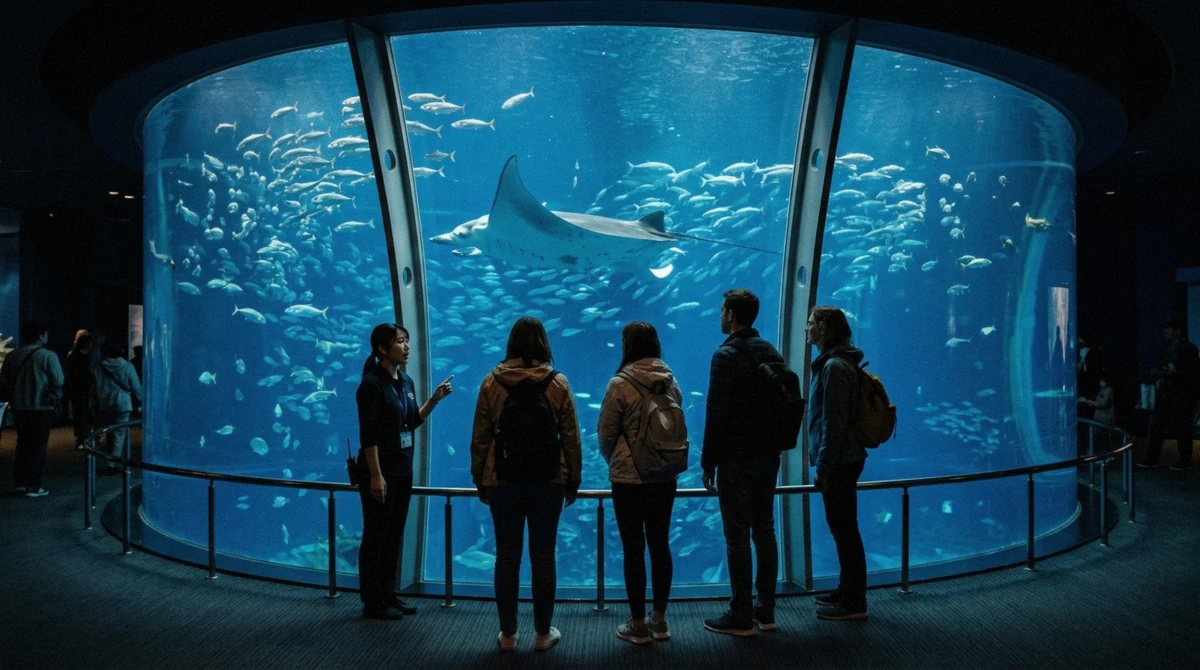 from $170
Year-round
Osaka Personalized Private Tour with a Local Guide
A private, fully personalized day with a local Osaka guide that loops the aquarium in with the city's biggest sights: Osaka Castle, Dotonbori, Kuromon Market and more. The…
Runs all year, and the guide reshapes the route around your group.
- Private and fully personalized, just your group and a local guide
- Visits Osaka Aquarium plus Osaka Castle, Dotonbori and Kuromon Market
- Hotel pickup included and the guide plans the whole route
- Free cancellation up to 24 hours before, reserve now and pay later
Which Is Better, the Kyoto Aquarium or the Osaka Aquarium?
Osaka Aquarium Kaiyukan is the better aquarium for most travellers, and the Kyoto Aquarium is the better small aquarium for travellers already in Kyoto. That is the whole verdict, and the rest of this page gives the numbers behind it. If you came to Japan partly to see an aquarium, go to Osaka.
If you are in Kyoto for temples and want a dry two hours with the kids, Kyoto is a pleasant, cheaper stop.
The two are not really rivals. Japan-guide places Osaka as widely considered the country's second best aquarium after Churaumi in Okinawa, while it describes the Kyoto Aquarium as aimed at local school children rather than foreign tourists. The figures below show the same split: Osaka is a destination, Kyoto is a good addition to a Kyoto day.
Source: Japan Guide, aquariums in Japan.
Kyoto Aquarium vs Osaka Aquarium Side by Side
This table compares the two aquariums on the figures that decide most choices. Prices and times come from each aquarium's own site, and the Osaka tank figures come from the aquarium's published tank data.
| Kyoto Aquarium | Osaka Aquarium | |
|---|---|---|
| Adult ticket | ¥2,600 (about $16), flat | ¥2,700 to ¥3,500 (about $17 to $22), by date |
| Child (elementary and junior high) | ¥1,400 (about $8.80) | ¥1,400 for ages 7 to 15 (about $8.80) |
| Largest tank | The Sea of Kyoto, about 50 species | Pacific Ocean tank, 9 m deep, about 34 m long, about 5,400 tons |
| Headline animals | Japanese giant salamander, jellyfish, fur seals | Whale sharks Kai and Yuu, manta rays, otters, penguins |
| Jellyfish | Kurage Wonder, about 30 jellyfish species | Jellyfish Galaxy zone near the end of the route |
| Shows | Dolphin Stadium, about 11:30, 13:30 and 15:30 | None, no animal shows anywhere |
| From the nearest station | About 7 minutes from Umekoji Kyoto-nishi, about 15 minutes from Kyoto Station | Short walk from Osakako Station on the Chuo line |
| Typical visit | Compact, two floors | 2 to 3 hours |
Two rows deserve a second look. The ticket row shows Osaka has no price advantage on any date, and the shows row shows the only structural difference in how the two operate. Osaka lets the animals do what they do.
Kyoto schedules a stadium programme around them.
Source: Kyoto Aquarium, Osaka Aquarium Kaiyukan.
Which Aquarium Has the Better Animals?
Osaka has the more impressive animals, and Kyoto has the stranger one. The Pacific Ocean tank at Osaka holds the whale sharks Kai (5.76 m) and Yuu (6.2 m) with rays and schooling fish, and the spiral route lets you see it from several floors. Nothing in Kyoto operates at that scale.
What Kyoto does well is local. The River of Kyoto zone recreates the upper, middle and lower reaches of the Yura River, and it is the reason to go: the Japanese giant salamander is a National Special Natural Monument. You can stand next to an animal that most travellers never see anywhere else, which Osaka cannot offer.
Kyoto also has fur seals and spotted seals on the first floor and a jellyfish gallery called Kurage Wonder with about 30 species and a 360-degree tank.
Osaka answers with sheer variety: about 620 species across roughly 15 themed zones, otters, penguins, ringed seals and a hands-on touch pool. Our guide to what you will actually see in the Osaka tanks covers each zone.
This table matches the animals people usually travel for to the aquarium that shows them best. The Kyoto entries come from the aquarium's own guide, the Osaka ones from our zone-by-zone page.
| You want to see | Better choice | Why |
|---|---|---|
| A whale shark | Osaka | Two live in the 5,400-ton tank, Kyoto has none |
| A giant salamander | Kyoto | River of Kyoto zone, a protected national monument |
| Jellyfish in quantity | Kyoto | About 30 species in a dedicated gallery |
| Penguins and otters | Osaka | Antarctica zone penguins and Japan Forest otters, both with feeding rounds |
| A dolphin show | Kyoto | Three Dolphin School sessions a day, none at Osaka |
| Touching a small shark or ray | Osaka | Maldives touch pool under staff supervision |
Source: Kyoto Aquarium, Osaka Aquarium Kaiyukan, feeding times, Kaiyukan, whale shark measurements.
Which Aquarium Is Cheaper, Kyoto or Osaka?
Kyoto is cheaper on every date. An adult pays ¥2,600 (about $16) at Kyoto, while Osaka charges ¥2,700 (about $17) on its cheapest weekdays and up to ¥3,500 (about $22) on the busiest holiday dates. The gap is only ¥100 on a quiet Tuesday and as much as ¥900 on the busiest holiday dates.
This table prices a few typical groups at each aquarium using the published adult and child rates, converted at ¥159 to the dollar. Osaka is shown at its cheapest date band, so any other date makes the gap wider.
| Group | Kyoto Aquarium | Osaka Aquarium (cheapest dates) |
|---|---|---|
| 1 adult | ¥2,600 (about $16) | ¥2,700 (about $17) |
| 2 adults | ¥5,200 (about $33) | ¥5,400 (about $34) |
| 2 adults, 2 children aged 7 to 15 | ¥8,000 (about $50) | ¥8,200 (about $52) |
| Child aged 3 to 6 | ¥900 (about $5.70) | ¥700 (about $4.40) |
Osaka's own booking page decides the price by date, so check the calendar before you compare. Our Osaka ticket guide lists every tier and explains when the bands change. Younger children are the one place Osaka is cheaper: a Kyoto toddler ticket is ¥900 from age 3, while Osaka charges ¥700 for ages 3 to 6 and nothing for children aged 2 and under.
How Far Is Each Aquarium From the Station?
The Kyoto Aquarium is about 15 minutes on foot from the central exit of Kyoto Station, and about 7 minutes from Umekoji Kyoto-nishi Station on the JR Sanin Line. It sits inside Umekoji Park, so the walk is flat and green rather than a transfer.
Osaka Aquarium is on the Osaka Bay waterfront next to the Tempozan Giant Ferris Wheel, a short walk from Osakako Station on the Chuo line. It is the more involved trip if you are based in Kyoto, since it is a separate city and a separate metro line. Our getting there guide has the routes from Osaka Station, Namba and Universal City.
The practical rule: if you are in Kyoto, going to Osaka for the aquarium costs you a half day. If you are in Osaka, going to Kyoto costs you the same. Do not make the trip across cities just for the Kyoto Aquarium, but do consider it a free fill-in if you are in Kyoto with a spare two hours.
Source: Kyoto Aquarium access.
Which Aquarium Is Better for Kids?
Osaka is better for kids who want spectacle, and Kyoto is better for young children who tire quickly. Osaka's route takes 2 to 3 hours and up to 4 with small children, with the touch pool and penguin feedings as the two highlights. Our Osaka with kids guide covers strollers, nursing rooms and age-by-age pacing.
Kyoto is smaller and quieter, the route is on two floors, and the dolphin sessions give small children something with a clear start and end. The first floor has fur seals and a spotted seal area with a tubular tank. If your children are under five and you are already in Kyoto, the smaller scale is a plus rather than a drawback.
Pick Kyoto or Osaka by Traveller
If you want the whale sharks and a full half day
go to Osaka Aquarium and allow 2 to 3 hours.
If you are based in Kyoto with a spare two hours
walk to the Kyoto Aquarium, about 15 minutes from the station, and see the giant salamanders.
If you are on a tight budget
Kyoto at ¥2,600 undercuts Osaka's ¥2,700 to ¥3,500 on every date.
If you want an animal show with the kids
the Kyoto Dolphin Stadium sessions are the only option, since Osaka runs none.
Which Is the Better Aquarium in Osaka, Kaiyukan or Nifrel?
Kaiyukan is the better aquarium in Osaka, and Nifrel is a different kind of attraction rather than a rival. Kaiyukan is a classic walk-through aquarium centred on the 5,400-ton Pacific Ocean tank, while Nifrel is an animal museum in Expo Park in Suita, built around eight zones with a "touching the senses" concept.
The prices are close. Nifrel charges ¥2,400 for adults (about $15) and ¥1,200 for elementary and junior high students, and Kaiyukan starts at ¥2,700. Nifrel is in the north of the Osaka area, not on the bay, so it pairs with Expo Park and not with the Ferris wheel and ferry.
For the whale sharks, the bay and a fixed first-time Osaka itinerary, Kaiyukan is the one.
Source: Nifrel admission, Osaka Aquarium Kaiyukan.
Can You Visit Both the Kyoto and Osaka Aquariums?
Yes, but it is rarely worth doing in one day. Osaka alone takes 2 to 3 hours, they are in different cities, and the second one repeats many of the same animal types. A better use of the second slot is a different kind of stop.
If you only have one half day, pick Osaka. If you have a whole day in Osaka, the private Osaka guide tour lets you build the aquarium into a larger route, and the private family day tour adds the castle and Legoland. A spring option is the Nemophila day trip.
Our Osaka aquarium homepage lists every ticket and tour option for the aquarium itself.
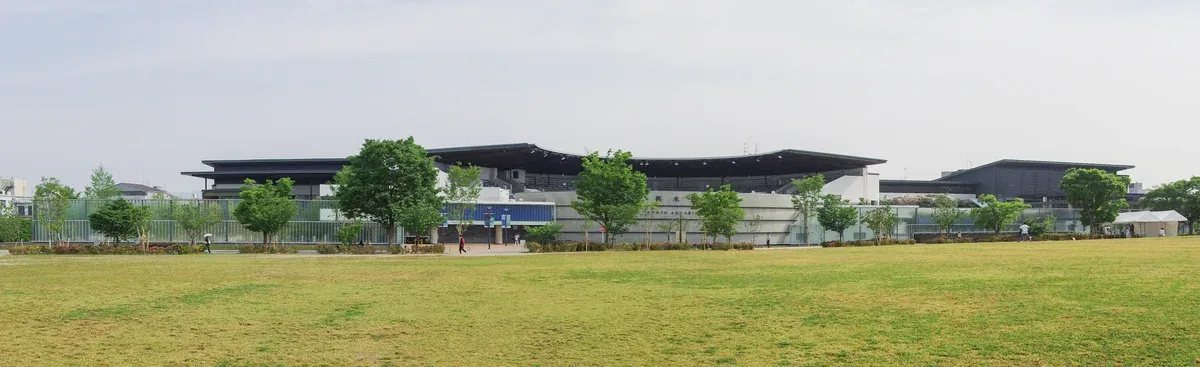
The Kyoto Aquarium in Umekoji Park. Photo: J o, CC BY-SA 3.0, via Wikimedia Commons
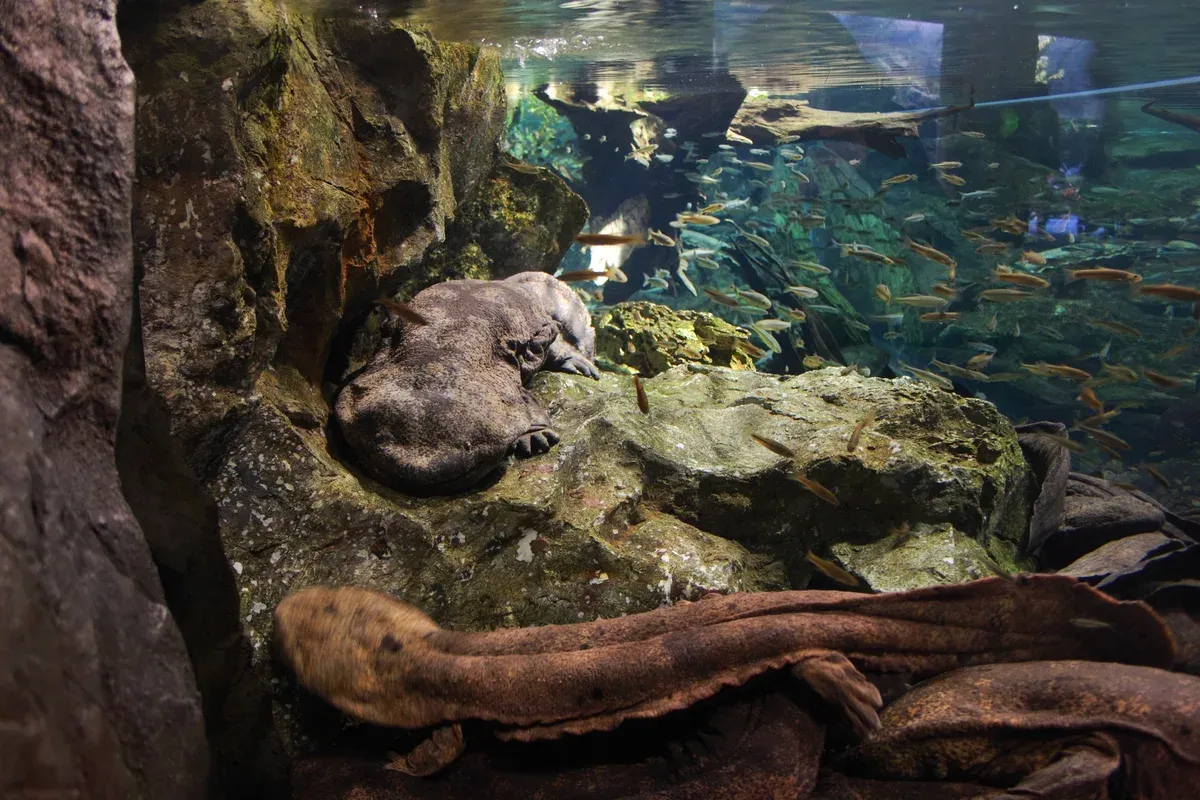
Japanese giant salamanders at the Kyoto Aquarium. Photo: V31S70, CC BY 2.0, via Wikimedia Commons
Frequently Asked Questions
Is the Kyoto Aquarium worth visiting?
Yes, if you are already in Kyoto and want an easy two hours. The giant salamander gallery and the dolphin sessions are the reasons to go, and at ¥2,600 for an adult it is the cheaper of the two. It is not worth a trip from Osaka on its own.
Is the Osaka Aquarium bigger than the Kyoto Aquarium?
Yes. Osaka's Pacific Ocean tank is 9 m deep, about 34 m long and holds about 5,400 tons, and the building has about 15 zones. The Kyoto Aquarium's largest tank, the Sea of Kyoto, holds about 50 species.
Which aquarium has dolphin shows?
The Kyoto Aquarium does, with Dolphin School sessions at about 11:30, 13:30 and 15:30. Osaka Aquarium has no animal shows at all.
Which aquarium is cheaper, Kyoto or Osaka?
Kyoto, at ¥2,600 for an adult. Osaka costs ¥2,700 on its cheapest dates and up to ¥3,500 on peak days, see the Osaka ticket guide for the calendar.
Can I see whale sharks at the Kyoto Aquarium?
No. Whale sharks live in the Osaka Aquarium's central tank, a pair named Kai and Yuu, and you can see them on any visit. A reserved-entry ticket saves the queue on busy dates.
Which aquarium is closer to the station?
Both are walkable. Kyoto is about 7 minutes from Umekoji Kyoto-nishi Station or about 15 minutes from Kyoto Station, and Osaka is a short walk from Osakako Station.
Is Nifrel better than Osaka Aquarium?
They are different. Nifrel in Expo Park is an animal museum with eight zones at ¥2,400 for adults, while Kaiyukan is the classic whale shark aquarium on Osaka Bay.